Ledger Live Desktop Overview
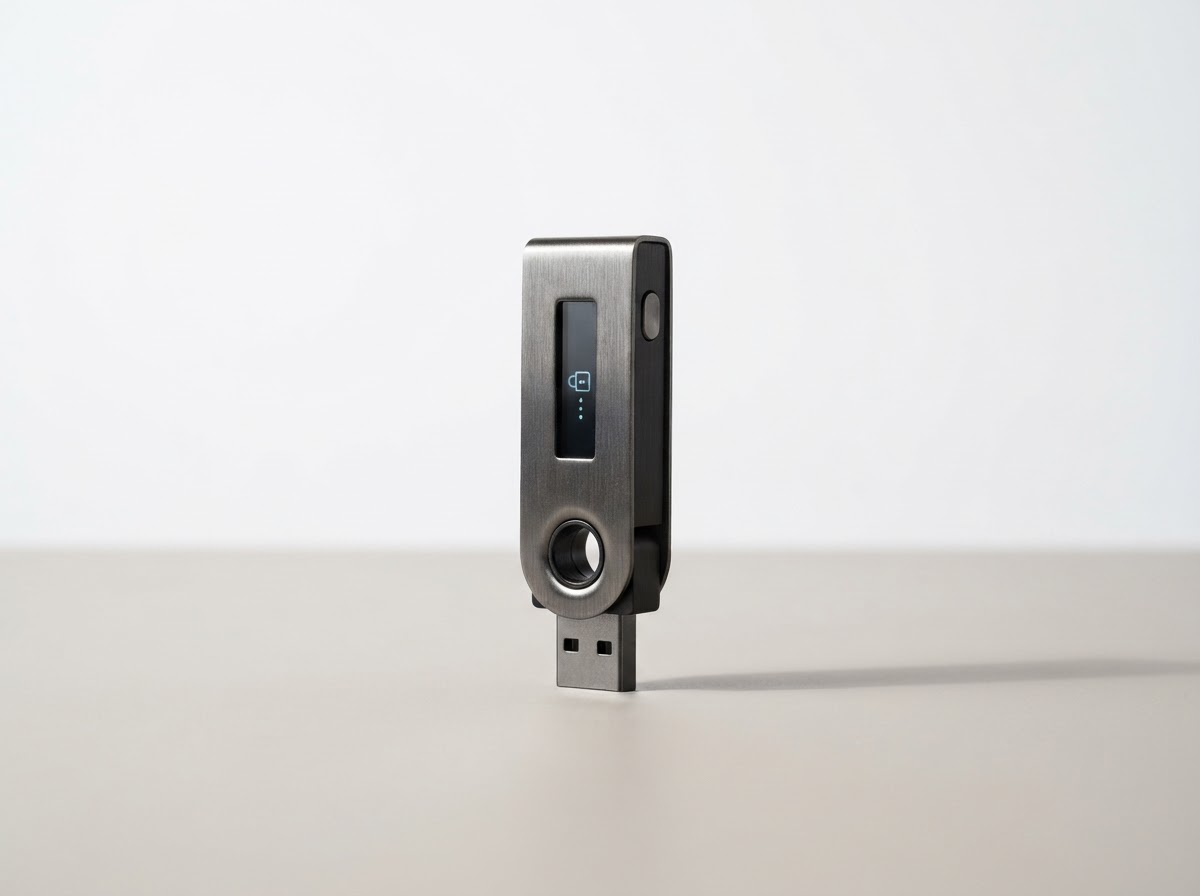
Ledger Live Desktop is a computer application used alongside a compatible hardware wallet. It provides an interface for viewing supported accounts, checking balances, and preparing certain transactions. The hardware device is the place where private keys are held and transactions are reviewed and approved; the computer app helps you see and organize activity.
This distinction matters: the app is not a substitute for the physical device, and seeing an asset or balance in the app does not mean the app itself controls the network. Availability and screens can differ by device, operating system, region, and supported asset.
This is an independent learning guide, not an official Ledger support page. Download software only through the manufacturer's official channels, and verify the publisher before installing.
Before Opening the Desktop App
Set up a quiet workspace and make sure your computer has current security updates. Use a personal computer you trust, rather than a shared or public machine. Find the hardware wallet and its cable, and keep your recovery phrase stored privately and offline. You should not need to type a recovery phrase into a desktop application, website, chat, or support conversation.
Confirm the device powers on and that you know its PIN. If you have not initialized it yet, follow the current instructions that came with your device. Never use a recovery phrase supplied by someone else: a new device must be initialized securely by you.
Before connecting, identify the official download source by typing the manufacturer's known address yourself. Avoid sponsored search results, unsolicited links, and download mirrors.
Getting Started
Install the desktop application from an official source that matches your operating system. Review the publisher and installation prompts; decline bundled software you did not request. Once installed, open the app and choose the option that matches your situation, such as setting up a new device or connecting an existing one. The wording may change as software is updated.
Take time to read each screen rather than rushing through prompts. The app may offer a device check or explain how to add accounts. Use those steps as a guided introduction, but treat the device screen as authoritative whenever it asks you to confirm something sensitive.
Device Connection
Unlock your hardware wallet with its PIN, then connect it directly to the computer using a reliable cable. Follow the on-screen instructions in both places. A browser prompt or a desktop app may request permission to communicate with the device; approve only when you initiated the action and understand what it is for.
For a transaction, compare the details displayed on the physical device with what you intended: asset, destination, and amount. A computer can be compromised, so approving on the device without checking the details defeats an important safeguard. Disconnect or lock the device when you finish.
Understanding Accounts
An account is an organized view of activity for an asset or network. You may add accounts through the app while the relevant device is connected and unlocked. Account names are labels for your convenience; they do not replace the underlying address or change who controls the keys.
For receiving, select the correct asset and network, then verify the receiving address in the app and on the hardware wallet when prompted. Check that the sender uses a compatible network. Addresses can look similar, and transfers sent to the wrong network or destination may be difficult or impossible to recover.
Portfolio and Transaction Basics
A portfolio view can summarize assets across accounts and display estimated values using market data. Prices fluctuate, and displayed totals may be delayed, incomplete, or denominated in a chosen currency. Treat the portfolio as a convenient overview, not a guaranteed valuation or a complete tax record.
Transaction history helps you review activity, but confirmation times depend on the relevant network. Before sending, verify the address, asset, network, and amount independently. Consider a small test transfer when appropriate, taking network fees and minimums into account. Once a transaction is confirmed, it generally cannot be reversed by the desktop app.
Security Considerations
Your recovery phrase is the master backup for the wallet. Anyone who obtains it may be able to control the associated assets. Write it down only during secure setup, keep it offline in a private location, and never photograph, email, or enter it into a computer. Legitimate support will not need your phrase or PIN.
Be cautious of urgent warnings, fake support accounts, QR codes from unknown sources, and links promising rewards. Keep the computer and device software current, use a screen lock, and confirm every important action on the hardware wallet display. If a prompt is unexpected, cancel and investigate through a trusted channel.
Updates and Maintenance
Updates can improve compatibility and security, but plan them carefully. Read the release information shown in the official application, ensure the device is charged or connected reliably, and do not interrupt an update in progress. Keep your recovery phrase safe and accessible offline before undertaking firmware maintenance, without entering it into the app.
After updates, reopen the desktop app and reconnect the wallet if needed. If an unfamiliar prompt appears, pause and verify instructions using official documentation. Avoid following update links from messages or pop-ups outside the application.
Troubleshooting Basics
If the computer does not detect the device, try another known-good cable and USB port, close other wallet software, and restart the app. Check that the device is unlocked and that the relevant app on the device is open if requested. Restarting the computer can resolve a temporary connection issue.
If an account or balance is missing, confirm the correct device, asset, and network, then refresh or re-add the account using the app's supported workflow. Do not reset the device or share your recovery phrase as a troubleshooting shortcut. For unresolved issues, consult official help resources reached independently.
FAQ
Can I use the desktop app without a hardware wallet?
Some informational screens may be available, but signing and account workflows require the compatible device as directed by the app. The device is central to approving actions securely.
Does the app store my recovery phrase?
You should never enter your recovery phrase into the desktop app. Keep it offline and private; use only the device's secure setup process when initializing or restoring a wallet.
Why does a balance look different?
Displayed values may use changing exchange rates or incomplete data. Check the account, network, and asset details, and consult the relevant network record for transaction status.
Is this an official support guide?
No. This independent guide offers general educational information. For current product-specific instructions, use official documentation directly.
Quick Reference
Use the manufacturer's official source.
Keep it private and offline. Never share it.
Review transaction details before approval.
Cancel unexpected requests and verify.